Top 5 Benefits of Benzenedicarboxylic Acid for Global Buyers?
Benzenedicarboxylic Acid is a crucial compound with various applications across industries. Many global buyers seek its benefits, drawn by its versatility. This compound is used in the production of plastics, dyes, and adhesives, making it valuable in multiple sectors.
Understanding the benefits of Benzenedicarboxylic Acid can significantly impact purchasing decisions. Its role in enhancing material properties is notable. Buyers rely on its features for improved durability and flexibility. However, sourcing this acid requires knowledge of market dynamics.
While it offers many advantages, buyers must also consider potential drawbacks. Fluctuations in availability can affect pricing. Buyers should research suppliers to ensure reliability. Overall, Benzenedicarboxylic Acid presents unique opportunities for businesses willing to navigate these challenges.
Key Properties of Benzenedicarboxylic Acid in Industrial Applications
Benzenedicarboxylic acid, commonly known as phthalic acid, has various key properties that enhance its application in diverse industries. This acid exhibits excellent thermal stability, making it suitable for high-temperature processes. Its resistance to UV radiation adds to its value in manufacturing durable products. According to the Global Phthalic Anhydride Market report, the demand for phthalic acid has escalated steadily, reaching approximately 4 million tons in 2022.
Its hydrophilic nature allows for better solubility in various solvents. This property expands its use in resins and plasticizers. The flexibility it provides can significantly improve product performance across sectors like automotive and construction. Interestingly, recent studies indicate that phthalic acid plays a crucial role in enhancing the durability of coatings. Manufacturers often require raw materials that contribute to longevity, making benzenedicarboxylic acid a popular choice.
However, there are ongoing discussions around the health implications of phthalic acid derivatives. Regulatory bodies continue to review its safety data. This scrutiny has led to altered production techniques. Stakeholders should be aware of potential restrictions. Balancing utility and compliance remains a challenge. The future might redefine how industries incorporate benzenedicarboxylic acid into manufacturing processes.
Applications of Benzenedicarboxylic Acid in Various Industries
Benzenedicarboxylic acid, commonly used in various industries, plays a critical role in the production of plastics and resins. This compound is pivotal for creating high-performance materials. According to a recent report by Market Research Future, the global demand for benzenedicarboxylic acid is projected to grow at a CAGR of 4.5% over the next five years. Its versatility makes it a favorite among manufacturers.
In the automotive sector, benzenedicarboxylic acid is essential for producing lightweight composites. These materials enhance fuel efficiency and reduce emissions. The International Energy Agency noted that lightweight vehicles could improve energy efficiency by 20-30%. Additionally, in the textile industry, it is used to create durable fibers. This application addresses the growing demand for sustainable and long-lasting fabrics in fashion.
The construction industry benefits from benzenedicarboxylic acid as well. It is used in making adhesives and sealants that withstand harsh environmental conditions. The growing trend towards environmentally friendly construction has increased the demand for such materials. However, there are concerns regarding the sourcing of raw materials for this compound, which may influence its availability and pricing in the market. Exploring these dynamics is essential for stakeholders in the global supply chain.
Economic Advantages of Using Benzenedicarboxylic Acid for Buyers
Benzenedicarboxylic acid, often hailed for its versatility, brings significant economic advantages to global buyers. This compound is widely used in plastics, resins, and coatings. The global market for benzenedicarboxylic acid is projected to reach 5 billion USD by 2025, according to industry reports. Buyers can benefit from reduced manufacturing costs and enhanced product durability.
A key advantage is material efficiency. Many industries utilize benzenedicarboxylic acid to produce lighter and stronger materials. This leads to lower transportation costs and improved energy efficiency. Additionally, companies can achieve higher performance at reduced quantities, adding to cost savings. Enhanced properties can also extend product lifespans, fostering sustainability.
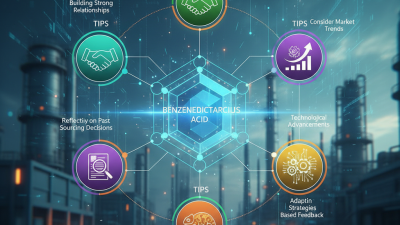
Tip: Consider sourcing this acid from suppliers with proven sustainability practices. This can positively impact both your brand reputation and the environment. Evaluating suppliers is essential. Look for those who provide transparency in their processes.
Despite its benefits, buyers must critically assess pricing fluctuations. Market unpredictability can affect profit margins. Buyers should stay informed on trends and be ready to adapt. Diversifying suppliers can mitigate risks linked to supply chain disruptions.
Tip: Regularly review your supply contracts. Negotiating terms can be beneficial when market conditions change. Stay engaged with market reports for insights.
Top 5 Benefits of Benzenedicarboxylic Acid for Global Buyers
Environmental Impact and Sustainability of Benzenedicarboxylic Acid
Benzenedicarboxylic acid is gaining attention for its environmental impact. This compound plays a vital role in various industries, including plastics and textiles. According to a recent report by Research and Markets, the demand for this acid is projected to grow by 4.5% annually over the next five years. This growth is largely driven by its sustainability features, making it a favorable choice for manufacturers focused on eco-friendly products.
The production processes of benzenedicarboxylic acid are evolving. Many manufacturers are adopting greener methods that reduce waste and energy consumption. For instance, innovative catalytic techniques have decreased emissions by 30% in recent years, showcasing a commitment to environmental responsibility. Still, challenges remain. The chemical industry's reliance on fossil fuels presents a dilemma for sustainability efforts.
Recycling options for products containing benzenedicarboxylic acid are expanding. Studies indicate that mechanical recycling can reclaim up to 70% of the material. However, the ability to achieve this in practice often varies, highlighting the need for improved recycling technologies. These developments may encourage a shift towards a circular economy, but stakeholders must remain vigilant to ensure that sustainability goals are met.
Future Trends and Innovations in Benzenedicarboxylic Acid Usage
The future of benzenedicarboxylic acid usage is vibrant and full of possibilities. As industries seek sustainable alternatives, this compound is gaining attention. Its role in the production of biodegradable plastics highlights its potential. Makers of eco-friendly materials are exploring its benefits in reducing environmental impact. The shift towards green chemistry is not just a trend; it is a necessity.
Innovations are emerging in the synthesis of benzenedicarboxylic acid. Researchers are focusing on more efficient production methods. These developments promise to lower costs and reduce waste. At the same time, its application in textiles is expanding. Benzenedicarboxylic acid can enhance fabric durability and performance. This can improve product lifespans significantly.
While promising, challenges remain. Not all manufacturers are well-versed in its properties. Educating buyers is crucial for maximizing its benefits. There are ongoing discussions about scalability and market acceptance. Companies must remain adaptable to navigate these uncertainties. Understanding the nuances of benzenedicarboxylic acid is vital for strategic use.