O Benzylhydroxylamine Buyer's Guide for Global Procurement?
When it comes to global procurement of chemicals, O Benzylhydroxylamine stands out as a vital compound. This chemical is widely used in various industrial applications. Understanding its properties and sourcing it effectively is essential for businesses that rely on it.
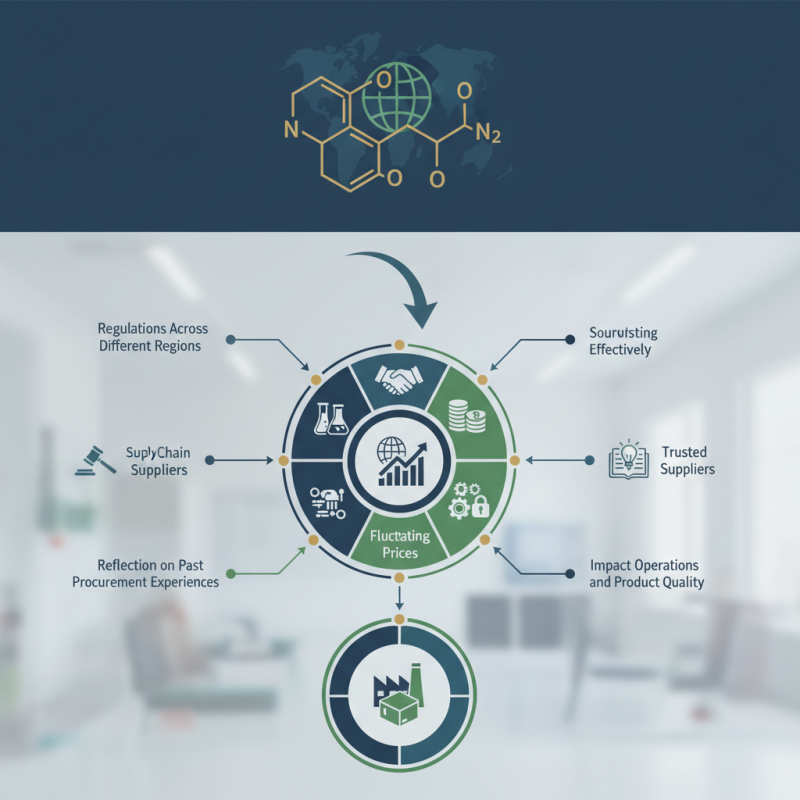
Navigating the global market for O Benzylhydroxylamine requires careful consideration. Buyers must assess the quality and reliability of suppliers. Additionally, they should be aware of fluctuating prices and potential supply chain challenges. Each decision can significantly impact operations and product quality.
Moreover, there are nuances in regulations across different regions. This complexity can lead to confusion. Companies must stay informed to make smart procurement choices. Developing relationships with trusted suppliers is key. Reflection on past procurement experiences can also yield valuable insights for future purchases.
Understanding Benzylhydroxylamine: Chemical Properties and Uses
Benzylhydroxylamine is an important organic compound. It has a molecular formula of C7H9NO and a molecular weight of 139.15 g/mol. Its structure features a hydroxylamine group that contributes to its reactivity. This compound primarily acts as a reducing agent in various chemical processes. Recent reports indicate that the global market for benzylhydroxylamine is projected to grow steadily, with an estimated CAGR of 5.2% through 2027.
In terms of applications, benzylhydroxylamine is used extensively in pharmaceutical synthesis. It plays a vital role as a precursor for numerous medicinal compounds. For instance, it is essential in the production of various drugs that target neurological disorders. Additionally, its unique properties allow for its use in the production of agrochemicals. Industry data suggests that approximately 30% of benzylhydroxylamine's usage is in herbicide formulation, highlighting its versatility.
Despite its advantages, there are challenges associated with benzylhydroxylamine procurement. Quality inconsistencies arise among suppliers, reflecting the need for stringent quality assurance measures. Additionally, while it is a beneficial compound, improper handling can pose safety risks. Thus, buyers must prioritize diligent supplier assessment and adherence to safety protocols.
Benzylhydroxylamine Procurement Trends
Market Analysis: Global Demand and Supply Trends for Benzylhydroxylamine
The global demand for benzylhydroxylamine has seen significant fluctuations in recent years. Market reports indicate that it is primarily driven by the increasing applications in pharmaceuticals and chemistry. Research from industry analysts, such as Market Research Future, suggests a steady growth trajectory, with a compound annual growth rate (CAGR) of around 5.3% expected by 2028. This reflects a healthy market eager for innovative solutions.
Supply chain dynamics for benzylhydroxylamine are complex and often strained. Key supply sources face challenges like production efficiency and regulatory compliance. Data from industry studies reveal that as much as 40% of suppliers struggle with quality consistency. This can impact pricing and availability. Logistics also plays a crucial role, with transportation costs affecting final product pricing. Buyers need to stay informed to navigate these uncertainties.
A discerning buyer should consider these trends. Understanding market demand and supply intricacies is crucial for effective procurement. Engaging with reliable suppliers is essential. Data transparency and consistent quality are vital factors. Proactive communication with suppliers can mitigate risks. Buyers should also explore alternative sourcing strategies to enhance resilience in their supply chains.
Key Suppliers and Manufacturers in the Benzylhydroxylamine Market
The global market for benzylhydroxylamine is evolving rapidly. Key suppliers play a critical role in this development. Recent reports estimate this market will reach approximately $300 million by 2025, driven by rising demand in pharmaceuticals and agrochemicals. In particular, regulations around environmental sustainability are influencing supplier strategies.
Manufacturers are diversifying their product lines to meet varying consumer needs. Many suppliers focus on quality and reliability, catering to industries that require rigorous safety standards. Data suggests that suppliers in Asia account for around 45% of the market share. This dominance points to a concentration of manufacturing capabilities in key regions.
However, the supply chain is not without its challenges. Fluctuations in raw material prices can impact production costs. Many companies wrestle with inventory management, especially during peak demand seasons. Transparency in sourcing and production practices is required to build trust in this competitive market. Suppliers must constantly evaluate their operations to better align with industry standards and consumer expectations.
Regulatory Compliance and Safety Standards for Benzylhydroxylamine Procurement
When procuring Benzylhydroxylamine, it’s crucial to understand regulatory compliance and safety standards. Industry reports underscore the importance of sourcing from suppliers that meet specific safety regulations. Notably, the global market demands adherence to GHS (Globally Harmonized System) guidelines for chemical classification. These guidelines ensure that hazardous properties are communicated effectively through labels and safety data sheets.
Safety is paramount during transportation and storage. Benzylhydroxylamine falls under certain chemical hazard classifications, necessitating careful handling. A study from the Chemical Safety Assessment Association indicated that improper storage can lead to hazardous incidents. Therefore, suppliers must provide clear documentation concerning the stability and reactivity of the compound.
In addition, regional regulations may impose extra compliance requirements. For example, in the EU, REACH (Registration, Evaluation, Authorization, and Restriction of Chemicals) mandates thorough safety assessments. Without proper adherence to these regulations, buyers risk facing legal penalties and safety risks. As a result, verifying a supplier’s compliance can sometimes prove challenging but is essential for successful procurement.
O Benzylhydroxylamine Buyer's Guide for Global Procurement
| Property |
Details |
| Chemical Name |
Benzylhydroxylamine |
| Molecular Formula |
C7H9NO |
| Molecular Weight |
137.15 g/mol |
| CAS Number |
100-70-3 |
| Regulatory Status |
Compliant with REACH and TSCA regulations |
| Safety Data Sheet (SDS) |
Available upon request |
| Handling Precautions |
Use protective gloves and eyewear |
| Storage Conditions |
Store in a cool, dry place away from incompatible materials |
| Global Availability |
Widely available through various chemical suppliers |