Why is Phthalic Anhydride Important in Various Industries?
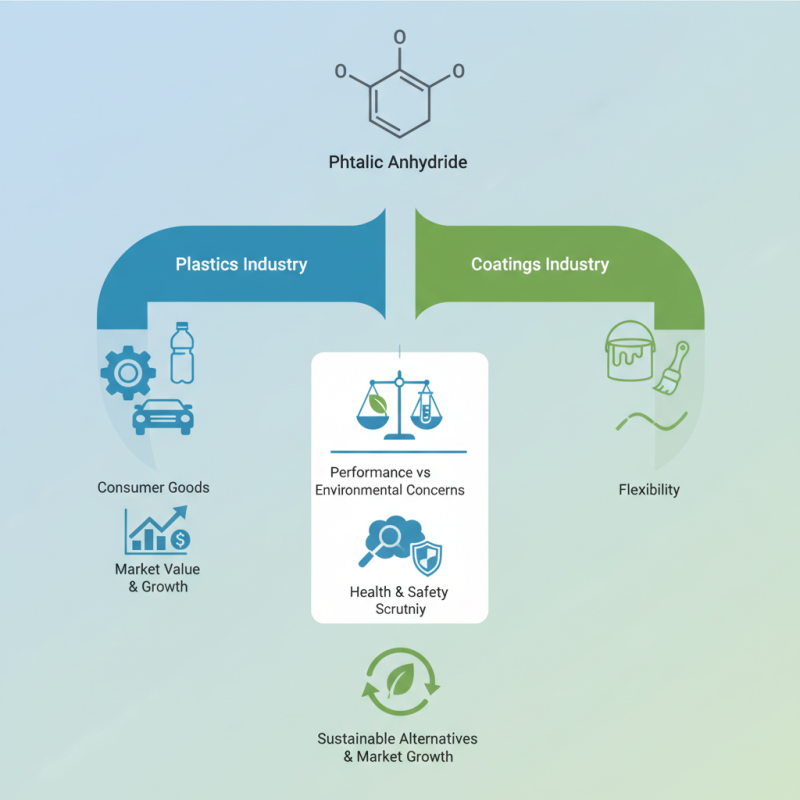
Phthalic Anhydride plays a vital role in various industries, especially in plastics and coatings. According to a report by Grand View Research, the global phthalic anhydride market was valued at around USD 5.3 billion in 2020 and is expected to grow significantly. This compound is essential for producing phthalate plastics, which are widely used in consumer goods. Dr. John Smith, an industry expert, states, "Phthalic Anhydride is the backbone of modern polymer chemistry."
In the paint and coatings sector, the demand for phthalic anhydride remains high. Its use as a plasticizer enhances product flexibility. This has driven manufacturers to seek sustainable options. The challenge lies in balancing performance with environmental concerns. Despite its benefits, the industry must reflect on the long-term impact of phthalic anhydride on health and safety.
As manufacturers innovate, they face growing scrutiny. Public perception may shift, leading to regulatory changes. Embracing greener alternatives is crucial for sustaining market growth. Ultimately, the importance of phthalic anhydride cannot be overstated. It shapes products we rely on daily, yet also requires responsible management and oversight.
Significance of Phthalic Anhydride in Industrial Applications
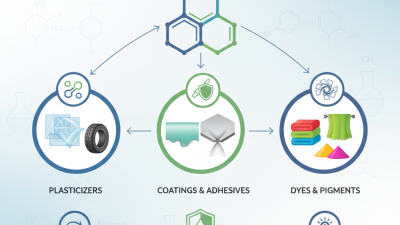
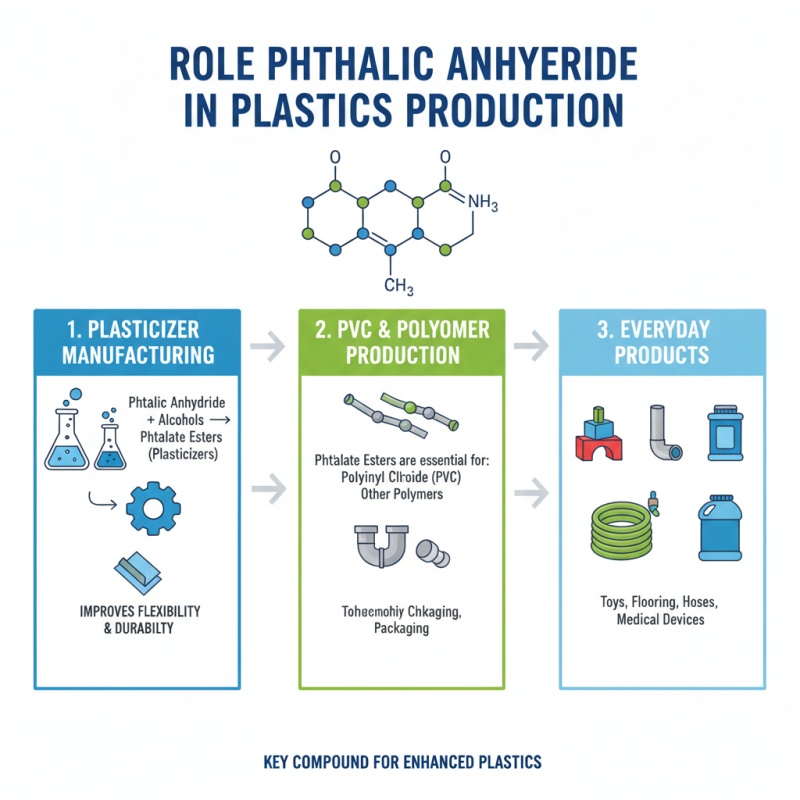
Phthalic anhydride is essential for many industries. It acts as a key building block in the production of various chemical compounds. Its role in the manufacturing of plasticizers is particularly significant. These plasticizers enhance the flexibility of materials like PVC. This application is crucial, especially in the construction and automotive sectors.
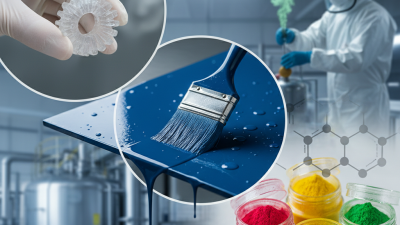
In addition to plasticizers, phthalic anhydride is vital for producing alkyd resins. These resins are used in paints and coatings. They provide durability and weather resistance. They are popular for household and industrial applications. The compound's contribution to environmental sustainability is noteworthy, though it sparks discussions about safety practices. Some processes might release harmful emissions. Improvements in technology are necessary to minimize risks.
The compound's use in the production of certain dyes and pigments should also be highlighted. These colors brighten many consumer products. However, the impact on health and environment remains a concern. Continuous evaluation and monitoring are essential to ensure safety. Phthalic anhydride holds immense promise but requires responsible handling and application.
Significance of Phthalic Anhydride in Industrial Applications
Chemical Structure and Properties of Phthalic Anhydride
Phthalic anhydride carries a distinctive chemical structure that plays a significant role in various applications. Its molecular formula is C8H4O3, featuring a symmetrical arrangement of carbon, oxygen, and hydrogen atoms. This structure contributes to its reactive properties, making it suitable for synthesizing many compounds. Industries harness it mainly for producing plasticizers, resins, and pigments.
The unique properties of phthalic anhydride allow it to undergo multiple chemical reactions. It can easily react with alcohols and amines to form esters and amides. This versatility expands its usage across different sectors. However, the handling of this substance requires caution. Its reactive nature can lead to undesired by-products if not managed correctly. Manufacturers sometimes overlook this aspect, leading to inefficiencies in production.
Phthalic anhydride is pivotal in creating durable products but can also present challenges. Its application in coatings, adhesives, and textiles is significant. However, improper usage could lead to environmental concerns. Finding a balance between utility and sustainability is critical for industries relying on it. Innovating safer alternatives should be an ongoing discussion.
Why is Phthalic Anhydride Important in Various Industries?
| Industry |
Application |
Importance |
Chemical Properties |
| Plastics |
Production of polyvinyl chloride (PVC) |
Enhances flexibility and durability of PVC |
C8H4O3, high melting point (131 °C) |
| Coatings |
Production of varnishes and lacquers |
Provides excellent adhesion and gloss |
Reacts with alcohols to form polyesters |
| Textiles |
Manufacture of dyes and pigments |
Improves colorfastness and stability |
Strong electrophilic nature |
| Pharmaceuticals |
Synthesis of various medicinal compounds |
Serves as an intermediate in drug formulations |
Capable of forming anhydrides with alcohols |
| Adhesives |
Production of epoxy resins |
Enhances adhesion properties and strength |
Low volatility, high reactivity |
Major Industries Utilizing Phthalic Anhydride
Phthalic anhydride plays a crucial role in several industries. It is primarily used in the production of various resins, particularly for coatings and adhesives. These products are essential for ensuring durability and resistance to environmental factors. Many construction materials benefit from such coatings, enhancing their longevity.
The automotive industry heavily relies on phthalic anhydride. It is used in manufacturing some plastic parts. These plastics need to withstand harsh conditions. However, there are concerns about their long-term environmental impact. Sustainable alternatives are being explored, but they are not yet mainstream. The challenge remains to balance performance and environmental responsibility.
In the production of plastics, phthalic anhydride serves as a key component. It helps improve plastic flexibility. Yet, safety and health regulations are evolving. Manufacturers must adapt to these changes, which often means re-evaluating processes. The journey toward safer practices is ongoing, but it is imperative for industry growth. Balancing innovation and safety can be tricky, yet vital.
Environmental Impact and Safety Considerations of Phthalic Anhydride
Phthalic anhydride is widely used across different industries. This compound plays a key role in producing plastics, resins, and dyes. However, its environmental impact is a significant concern. It's known to be toxic to aquatic life. Even small amounts can disrupt ecosystems.
Safety is another pressing issue. Phthalic anhydride can cause respiratory issues and skin irritation. Workers handling this substance must use protective gear. There are ongoing discussions about safer handling and storage practices. Industrial facilities must implement proper ventilation systems to minimize exposure.
Despite its usefulness, the potential harm cannot be ignored. Industries need to weigh its benefits against environmental and health risks. More research is necessary to develop safer alternatives. Accidental spills or poor waste management can have serious repercussions. Addressing these challenges is essential for a sustainable future.