What is N Isopropylacetamide and How is it Used?
N Isopropylacetamide is an interesting compound with diverse applications in various industries. It is primarily valued for its ability to act as a solvent and an intermediate in chemical synthesis. Its unique properties make it suitable for use in pharmaceuticals and personal care products. Many people may not be aware of its significance yet.
This compound may seem complex, but its uses are quite simple. N Isopropylacetamide improves the efficacy of formulations. It helps ingredients blend better, enhancing overall product performance. Additionally, it contributes to the stability of various mixtures. Some might overlook the need for such ingredients in everyday products.
Still, awareness of N Isopropylacetamide is growing. As industries innovate, this chemical continues to attract attention. It poses interesting questions about safety and environmental impact. Understanding its role helps us appreciate the chemistry behind our daily items. The complexities and potential drawbacks remind us to proceed with caution when using chemical compounds.

What is N Isopropylacetamide?
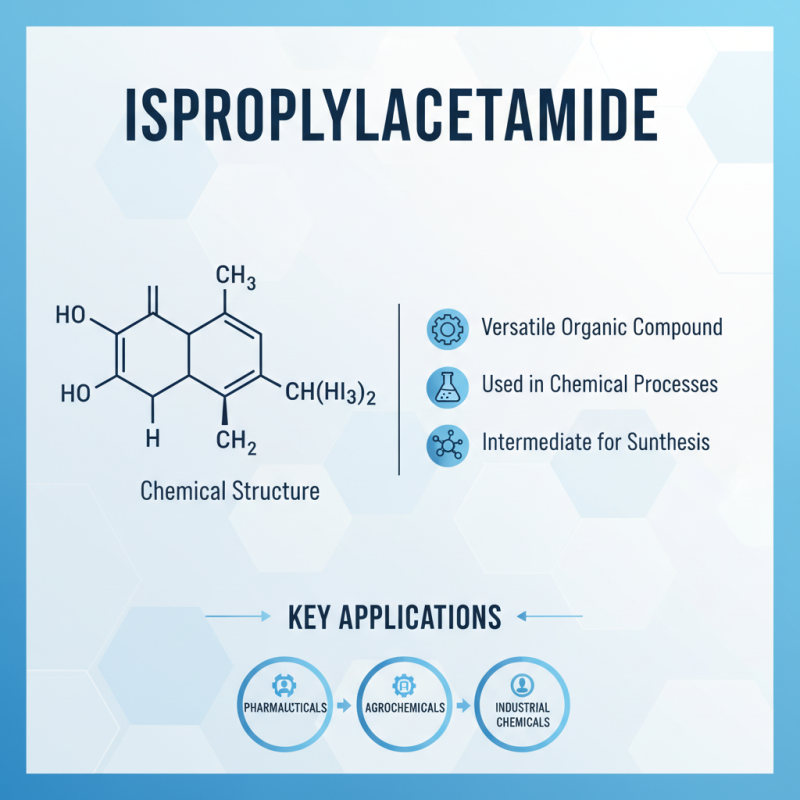
N Isopropylacetamide is a versatile organic compound. It has a chemical structure that includes isopropyl and acetamide groups. This compound is often used in various chemical processes. It serves as an intermediate in synthesizing other chemicals.
Its applications extend to pharmaceuticals and cosmetic formulations. In the beauty industry, it acts as a skin-conditioning agent. This property makes it valuable in lotions and creams. Users often report improved skin feel after applying products containing this compound. However, its effectiveness may vary. Not every individual experiences the same results. Some might find irritation with certain formulations.
Tips: Always test a small amount first. This way, you can avoid potential skin reactions. Pay attention to how your skin reacts over time. It’s essential to adjust usage accordingly. While N Isopropylacetamide can be beneficial, its safety profile should be considered. Some products may not suit everyone. Keep an eye on ingredient lists and take note of any adverse reactions.
Chemical Structure and Properties of N Isopropylacetamide
N Isopropylacetamide is an intriguing compound. Its molecular formula is C5H11NO. This amide features a unique structure. The presence of the isopropyl group stands out. It gives the compound distinctive properties. The carbon backbone leads to interesting interactions in various applications.
The chemical properties of N Isopropylacetamide are quite notable. It has a moderate boiling point, indicating stability. The compound is soluble in water, making it easier to integrate into different formulations. Many researchers find this solubility advantageous for experimental purposes. Its effects on living systems are complex. This requires careful study and consideration.
Research continues on how this compound behaves in various conditions. Some studies suggest it has calming properties. Yet, data is still limited. More investigations could clarify its full potential. Experimentation with N Isopropylacetamide reveals both promise and uncertainty. This duality invites further exploration into its applications and safety.
N Isopropylacetamide Usage and Properties
Common Applications of N Isopropylacetamide in Industry
N Isopropylacetamide is a versatile chemical compound used across various industries. It plays a crucial role in the production of textiles, adhesives, and coatings. Manufacturers appreciate its ability to enhance bond strength and flexibility. It is often utilized in formulations that require high-performance properties.
In agriculture, N Isopropylacetamide is used as a surfactant in herbicides. It helps improve the effectiveness of active ingredients. This results in better crop yield and reduced chemical usage. The addition of this compound often leads to better absorption of herbicides by plants.
**Tips:** Always handle N Isopropylacetamide with care. Use proper protective equipment. Ensure good ventilation when working with this chemical.
N Isopropylacetamide also finds application in personal care products. It can act as a skin conditioning agent. However, manufacturers should be cautious about its concentration. High levels may cause irritation. Always conduct thorough testing before large-scale production. Balancing performance and safety is essential in product development.
Safety and Handling Precautions for N Isopropylacetamide
N Isopropylacetamide is widely used in various industrial applications. However, handling this compound requires strict safety measures. According to the National Institute for Occupational Safety and Health (NIOSH), proper ventilation is crucial. This is to prevent inhalation of vapors, which can be harmful.
Always wear appropriate protective gear. Gloves, goggles, and lab coats are essential. Skin contact can lead to irritation. In case of contact, wash the area thoroughly with soap and water. A Material Safety Data Sheet (MSDS) is helpful for understanding specific risks.
Tips: Store N Isopropylacetamide in a cool, dry place. This reduces the risk of degradation or reaction with moisture. Always label containers clearly.
Avoid mixing this compound with strong oxidizers. Such combinations can lead to hazardous reactions. Regularly check for leaks in storage units. Monitoring safety equipment is vital in preventing incidents.
Remember, safety is an ongoing process. Continuous training is necessary to ensure all personnel understand best practices. Keeping safety data accessible promotes a culture of awareness. Always be ready to adapt safety protocols as needed.
Environmental Impact and Regulatory Status of N Isopropylacetamide
N Isopropylacetamide (NIA) is a chemical compound used in various industries. Its applications range from solvents to intermediates in chemical synthesis. Despite its usefulness, understanding its environmental impact is crucial.
NIA is known for its moderate toxicity, which raises concerns for workers and the environment. Proper disposal methods are essential to prevent soil and water contamination. Regulatory bodies often assess the safety and environmental risks associated with such chemicals. However, the regulatory status can vary widely across regions.
Tips: Always consult safety data sheets before handling NIA. Ensure adequate ventilation in workspaces.
Limited research exists on the long-term effects of NIA exposure on ecosystems. This lack of data can lead to uncertainty. It highlights the need for further studies to guide regulatory frameworks.
Tips: Engage with environmental specialists for better understanding. Keep updated on regulations related to NIA.
Understanding the balance between industrial use and environmental health is a challenge. Responsible use is imperative to mitigate risks. Continued awareness is essential as industries rely on NIA.
What is N Isopropylacetamide and How is it Used? - Environmental Impact and Regulatory Status of N Isopropylacetamide
| Property |
Details |
| Chemical Formula |
C5H11NO |
| Molecular Weight |
101.15 g/mol |
| Appearance |
Colorless Liquid |
| Boiling Point |
200 °C |
| Solubility |
Soluble in water and organic solvents |
| Main Uses |
Solvent, home care products, industrial applications |
| Environmental Impact |
Moderate impact on aquatic life; biodegradable |
| Regulatory Status |
Listed under various chemical regulations; safe use guidelines established |