Phthalic Anhydride 10 Tips for Safe Use and Handling?
Phthalic Anhydride is a crucial chemical in various industries, particularly in plastic manufacturing. Its widespread use necessitates safe handling practices to prevent health risks. According to a report by the Chemical Safety Board, improper handling of Phthalic Anhydride can lead to respiratory issues and skin irritation. An industry expert, Dr. Emily Forsythe, emphasizes, "Awareness and education on Phthalic Anhydride safety are essential for all handlers."
The demand for Phthalic Anhydride continues to rise, largely driven by its applications in making plasticizers and resins. As reported by Market Research Future, the global market for Phthalic Anhydride is projected to reach $6.3 billion by 2025. However, with increased production, the importance of safe handling cannot be overstated.
Many workers remain unaware of the potential hazards. This lack of knowledge can lead to accidents. Regular training sessions are crucial to reinforce safety protocols. In workplaces, safety data sheets for Phthalic Anhydride should be readily accessible. Ultimately, fostering a culture of safety can significantly reduce incidents and enhance productivity.

Essential Safety Measures for Handling Phthalic Anhydride
When handling phthalic anhydride, safety is paramount. Always wear appropriate personal protective equipment (PPE), including gloves and goggles. These items can prevent skin irritation and protect your eyes from potential splashes. Ensure your workspace is well-ventilated to avoid inhalation of harmful vapors. Regularly check and maintain ventilation systems for optimal air quality.
Before beginning any task, read the safety data sheets (SDS). They provide vital information regarding toxicity and first aid measures. It’s essential to familiarize yourself with these details. Act quickly if there's a spill; use absorbent materials specifically designed for chemical spills. Keep emergency eyewash stations accessible and stocked.
Stay aware of your surroundings. A cluttered workspace can be hazardous. Accidents often occur due to distractions or lack of preparation. Regularly training staff on safety protocols can enhance awareness. Everyone should feel empowered to speak up about unsafe conditions. Ultimately, promoting a culture of safety will aid in the safe handling of phthalic anhydride.
Phthalic Anhydride 10 Tips for Safe Use and Handling
| Safety Tip |
Description |
| 1. Use Personal Protective Equipment (PPE) |
Always wear appropriate PPE including gloves, goggles, and respirators to minimize exposure. |
| 2. Proper Ventilation |
Ensure adequate ventilation in work areas to avoid the accumulation of vapors. |
| 3. Safe Storage |
Store in a cool, dry place away from incompatible substances like strong oxidizers. |
| 4. Spillage Procedures |
Have spill containment plans and materials readily available in case of leaks. |
| 5. First Aid Measures |
Know first aid procedures in case of exposure. Seek medical attention if necessary. |
| 6. Waste Disposal |
Follow regulations for the disposal of phthalic anhydride and its containers. |
| 7. Training and Awareness |
Ensure that all personnel handling the chemical are properly trained and aware of the risks. |
| 8. Incident Reporting |
Have a clear protocol for reporting and managing accidents or exposure incidents. |
| 9. Emergency Contacts |
Maintain easy access to emergency contact numbers for immediate assistance. |
| 10. Regular Inspections |
Conduct regular safety inspections to ensure compliance and safety in handling. |
Personal Protective Equipment (PPE) Recommendations for Safe Use
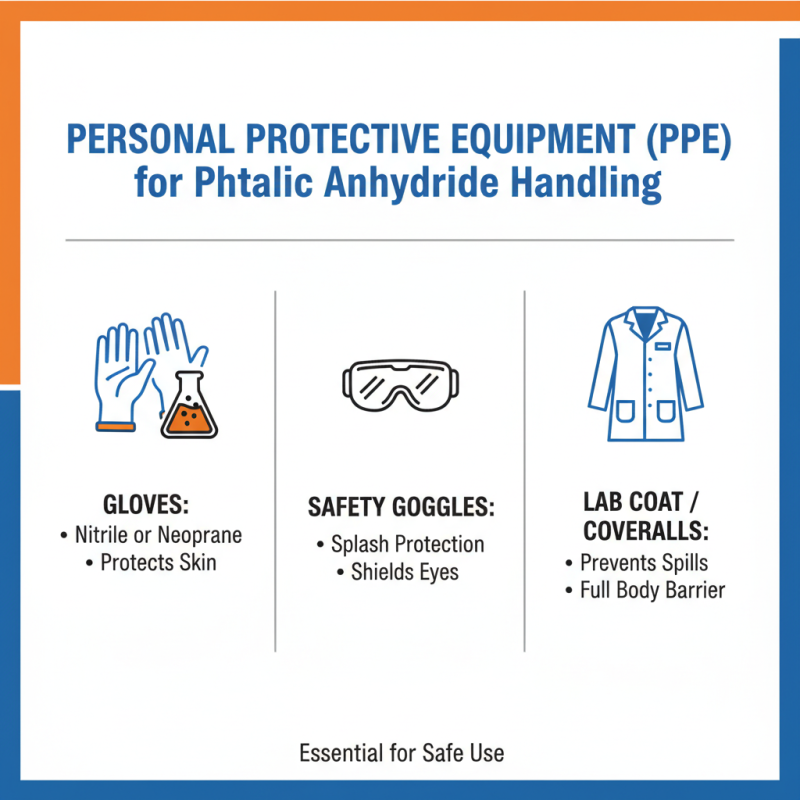
When handling phthalic anhydride, personal protective equipment (PPE) is essential for safety. Gloves made from nitrile or neoprene should be worn to protect against skin contact. These materials are resistant to various chemicals. Wearing safety goggles is equally important. They provide a barrier against splashes that could harm the eyes. A lab coat or disposable coveralls can prevent accidental spills from coming into contact with skin.
In addition to these basics, respiratory protection is vital in environments where phthalic anhydride dust may be present. According to the American Industrial Hygiene Association, respirators should meet specific filtration standards to ensure safety. Some industry reports indicate that exposure can lead to respiratory irritation, so it’s crucial to assess air quality regularly. Face shields can also protect against larger splashes during handling.
Even with proper PPE, workers need to remain vigilant. Equipment can fail, or protective gear can become damaged. Regular checks on the condition of PPE are necessary. Employees should be trained to recognize signs of potential exposure. Creating a culture of safety involves constant reminders to follow procedures. It’s essential to be proactive in minimizing risks associated with phthalic anhydride.
Proper Storage and Disposal Practices for Phthalic Anhydride
Proper storage of phthalic anhydride is vital. It should be kept in a cool, dry place, away from moisture. High humidity can lead to the formation of phthalic acid, making the compound hazardous. The recommended storage temperature is between 15°C and 25°C. Original containers should remain sealed to prevent contamination.
Disposal practices are equally important. According to the Environmental Protection Agency, phthalic anhydride should not be poured down the drain. Instead, it must be disposed of according to local hazardous waste regulations. It can cause harm to aquatic environments. This compound is classified as toxic to aquatic life with long-lasting effects.
Proper labeling is essential for any containers. This helps in identifying the chemical and avoids accidental exposure. Despite following guidelines, errors can happen. Workers can accidentally confuse substances. Continuous training on safety practices is necessary. Regular audits can identify potential storage hazards or lapses in protocol.
Emergency Procedures in Case of Accidental Exposure
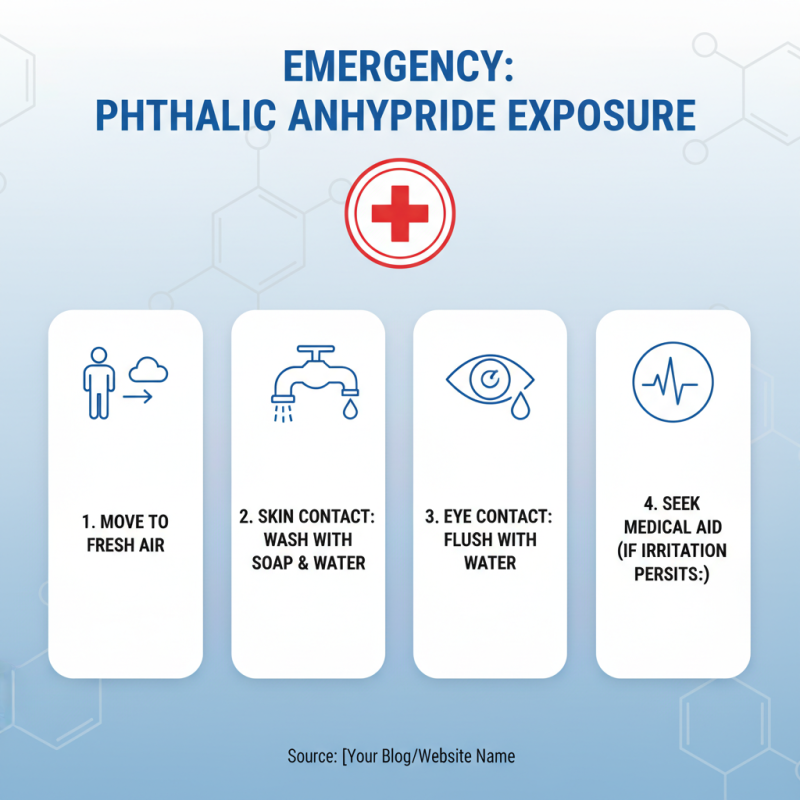
In case of accidental exposure to phthalic anhydride, it is crucial to act swiftly. First, remove the affected individual from the source of exposure. Ensure they are in a well-ventilated area. If skin contact occurs, wash the area thoroughly with soap and water. Seek medical attention if any irritation persists.
Tip 1: Always wear appropriate personal protective equipment (PPE). Gloves, goggles, and masks can greatly reduce exposure risks. Keep safety equipment easily accessible near handling areas.
If accidental inhalation occurs, move the individual to fresh air immediately. Calm them down and provide reassurance. If breathing difficulties arise, seek emergency medical help.
Tip 2: Maintain a clean and organized workspace. This reduces the risk of spills and accidents. Regularly check for any potential hazards or leaks. Training staff on emergency procedures is also beneficial.
For eye exposure, rinse with water for at least 15 minutes. Ensure they contact a medical professional as soon as possible. Clear labeling of all containers is essential for safety.
Tip 3: Develop a clear emergency response plan. Regular drills can help ensure everyone knows their role. Reflect on past incidents to improve future responses.
Understanding Regulatory Compliance for Phthalic Anhydride Safety
Phthalic anhydride is widely used in various industries. With its widespread use, understanding regulatory compliance for safety is crucial. Companies must adhere to specific guidelines to ensure safe handling. This includes proper labeling and the use of personal protective equipment. Workers must be trained in the risks associated with phthalic anhydride.
Tip: Always wear gloves and goggles when working with phthalic anhydride. This prevents skin contact and eye irritation. Regular training sessions can help enhance safety awareness.
Another essential factor is ventilation. Ensure that your workspace is well-ventilated. Poor air quality can lead to inhalation risks. Evaluate your environment regularly. Adopting safety checks can uncover hidden hazards.
Tip: Create a safety checklist for daily operations. This helps identify potential compliance issues before they become serious. It’s a small step, but it builds a safer workplace environment.