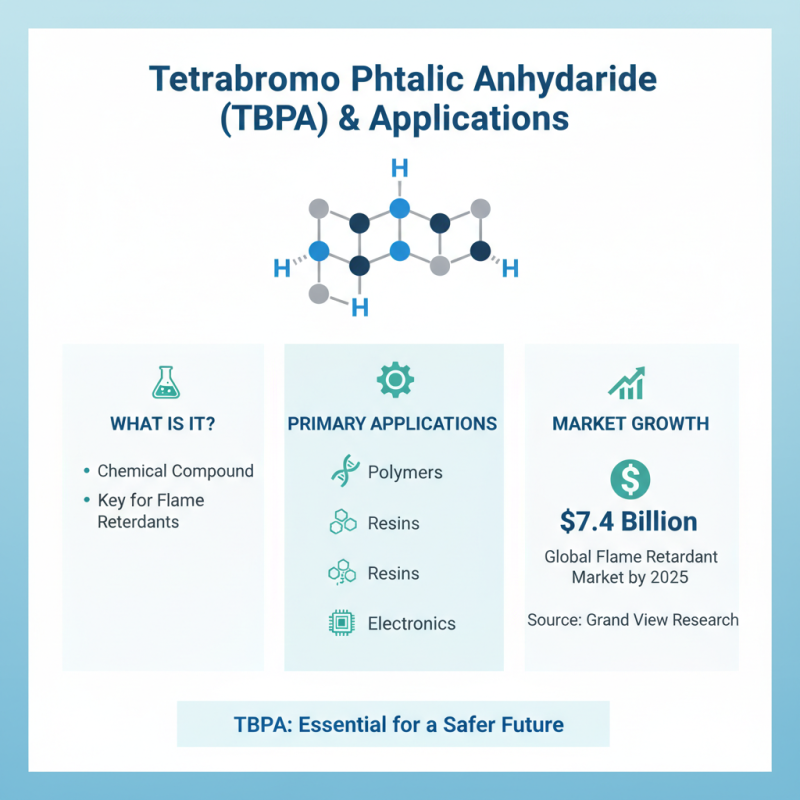
Tetrabromo Phthalic Anhydride (TBPA) is a crucial chemical compound widely used in flame retardants and plastics. The global demand for TBPA has surged, driven by increasing safety standards in various industries. According to a recent market report, the TBPA market is projected to reach $600 million by 2025, reflecting a compound annual growth rate of 5.4%. This growth presents sourcing challenges and opportunities for manufacturers.
However, sourcing TBPA globally can be complex. Each region has distinct regulations and availability factors. Ensuring the quality and reliability of suppliers is paramount. Reports suggest that approximately 60% of companies experience difficulties in maintaining consistent supply chains. Understanding market dynamics is essential for effective sourcing strategies.
Sourcing TBPA involves balancing cost, quality, and regulatory compliance. Collaborating with trusted suppliers can mitigate risks. As industries evolve, so too must sourcing strategies for Tetrabromo Phthalic Anhydride. Building a reliable network of partners is vital for success in this competitive market. It is imperative to reflect on sourcing practices continuously to adapt to changing demands.

Tetrabromo Phthalic Anhydride (TBPA) is gaining traction for its applications in the production of flame retardants. This compound is essential in several industries, notably in polymers and resins. According to a report by Grand View Research, the global flame retardant market is expected to reach $7.4 billion by 2025, showcasing substantial growth.
Sourcing TBPA effectively requires an understanding of its global supply chain. To begin, leveraging local suppliers can decrease costs. Research indicates that regions with a thriving chemical production industry often provide better pricing and quality assurance. Networking at industry conferences helps gather insights about reliable suppliers.
For sourcing best practices, consider these tips. Always verify supplier credentials. Rely on certifications and industry reports to assess their reliability. Also, assess the logistics of sourcing TBPA. Timely delivery can affect your production schedule. Lastly, be open to exploring emerging markets. They often offer competitive pricing and a fresh supply of materials.
In conclusion, understanding TBPA's significance and sourcing it strategically can enhance production quality. Balancing costs with quality will be essential in this evolving market landscape.

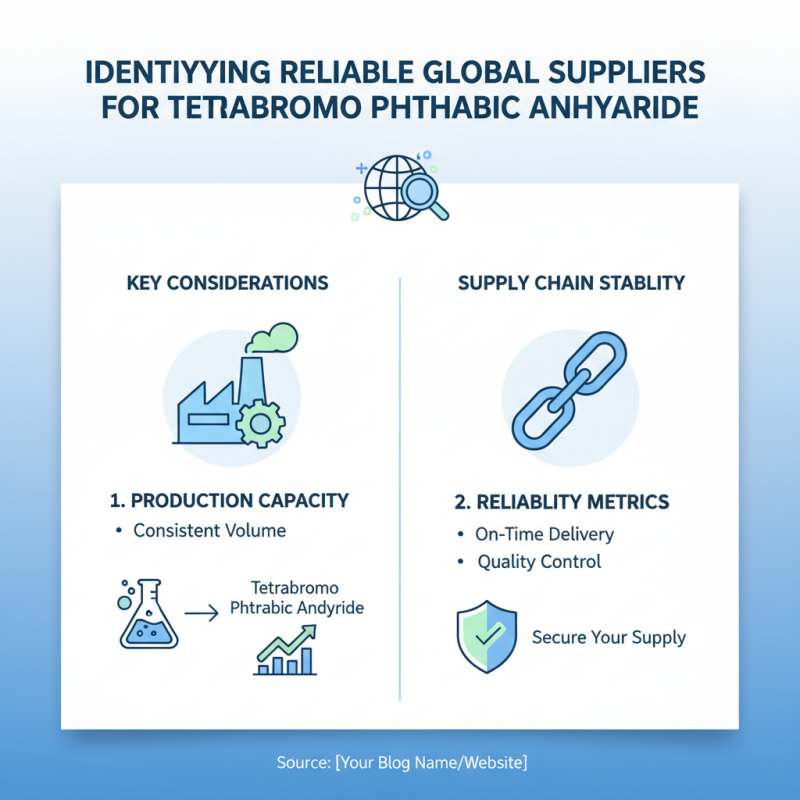
When sourcing Tetrabromo Phthalic Anhydride globally, identifying reliable suppliers is crucial. Start by evaluating potential partners based on their production capacity. Check if they can meet your specific volume needs consistently. This is essential for maintaining your supply chain.
Consider supplier certifications. Quality control is critical in chemical sourcing. A supplier with ISO certifications demonstrates adherence to international standards. This adds a layer of reliability to your sourcing efforts. Don’t overlook their experience in the industry. A supplier with a solid track record likely understands market demands better.
Engaging in direct communication can reveal much about a supplier's reliability. Clear dialogue about pricing, delivery times, and production capabilities is essential. Ask them about their sourcing and manufacturing processes. This transparency can help you gauge their professionalism and reliability. However, be prepared for possible inconsistencies in their responses. Sometimes, suppliers may not provide complete information. This should raise a flag. Always do thorough follow-ups.
When sourcing tetrabromo phthalic anhydride, ensuring quality standards and certifications is crucial. A study by the International Chemical Association revealed that over 70% of sourcing decisions are influenced by quality assurance measures. This statistic underscores the importance of evaluating suppliers on certifications such as ISO 9001 and REACH compliance. These certifications ensure that products meet international quality standards and environmental regulations, which are vital for maintaining safety and reducing liability.
Investing time to verify a supplier's quality credentials can yield significant benefits. A report from the American Chemical Society shows that poor sourcing decisions can lead to product recalls, costing companies an average of $10 million. Therefore, a thorough review of quality documentation and third-party audits is essential. Look for suppliers who demonstrate transparency in their manufacturing processes. This aspect can reveal their commitment to safety and reliability and may indicate a proactive approach to quality management.
It is worth noting that not all certifications guarantee the same level of quality. Discrepancies in auditing processes can arise. Some suppliers may have outdated certifications or lack necessary renewals. Being aware of these nuances can enhance your sourcing strategy and protect your business from future complications. Frequent re-evaluations of supplier quality practices are needed to ensure they align with your organization's standards.
Establishing effective communication with suppliers worldwide is critical in sourcing tetrabromo phthalic anhydride. Clear and precise communication helps avoid misunderstandings. Utilize simple language when discussing technical specifications. This ensures both parties are aligned on expectations and product quality.
Regular updates can foster trust. However, be mindful of time zone differences. Schedule calls at convenient times and be respectful of local holidays. Sometimes, suppliers may have a different pace or approach to business. Patience and adaptability can go a long way. Building rapport can lead to better negotiation outcomes and stronger partnerships.
Documentation is vital. Always follow up verbal agreements with written confirmations. This is crucial for accountability. Even minor details can lead to significant discrepancies later on. Be open to feedback from suppliers. Their insights can improve overall sourcing processes. Remember, effective communication is a two-way street that requires continuous effort.
Sourcing Tetrabromo Phthalic Anhydride (TBPA) requires a thorough understanding of environmental regulations. Compliance is crucial in every step of the sourcing process. Regulations can vary significantly across regions. Understanding them helps in making informed decisions.
Ensure your suppliers adhere to local and international environmental standards. Investigate their certifications and track records. It's also important to evaluate their environmental impact. This can affect the overall sustainability of your sourcing strategy.
When engaging with suppliers, prioritize transparency. Request documentation on their compliance with environmental laws. This builds trust and mitigates risks associated with sourcing TBPA. Regular audits can further ensure adherence. Reflecting on past sourcing decisions can provide insights into what works best.
| Tip | Description | Compliance Requirement | Environmental Impact | Potential Suppliers |
|---|---|---|---|---|
| Research Suppliers | Investigate potential suppliers' backgrounds and capabilities. | Verify compliance with local and international regulations. | Assess the ecological footprint of supplier operations. | Global chemical manufacturers |
| Check Certification | Ensure suppliers have necessary certifications (ISO, REACH). | Evaluate documentation for compliance with safety standards. | Minimize risks associated with hazardous materials. | Certified chemical suppliers |
| Assess Risks | Identify and evaluate potential sourcing risks. | Understand legal implications of sourcing decisions. | Evaluate environmental risk factors. | Consulting firms specializing in risk assessment |
| Negotiate Terms | Discuss pricing, delivery schedules, and compliance costs. | Include compliance penalties and responsibilities in contracts. | Ensure sustainability commitments are honored. | Logistics and legal advisors |
| Monitor Compliance | Regularly audit supplier compliance and performance. | Implement a compliance monitoring system. | Track environmental impact continuously. | Third-party auditors |