What are the Uses and Benefits of Tetra Phthalic Acid?
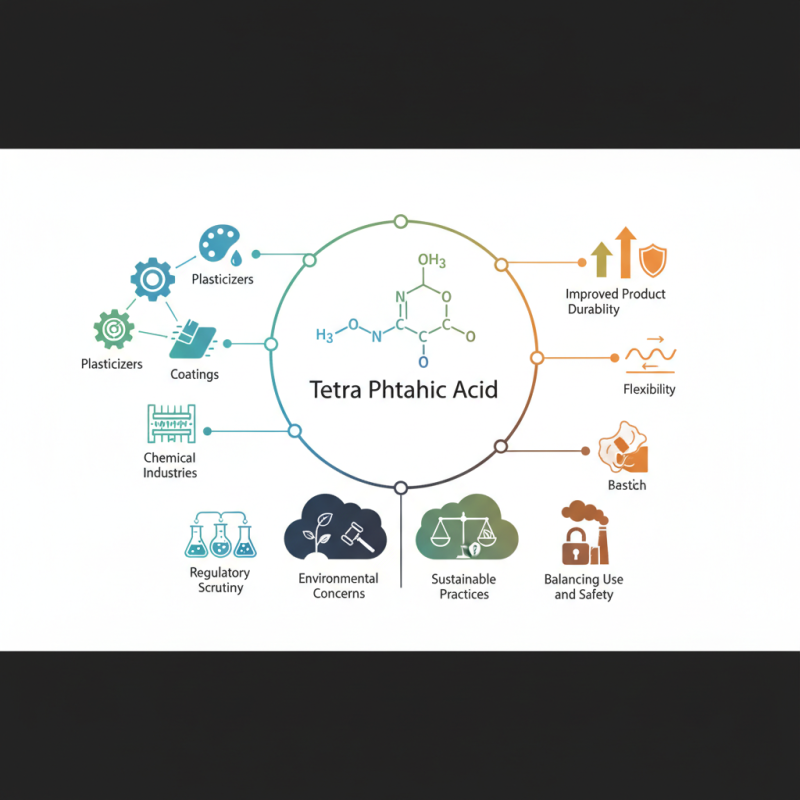
Tetra Phthalic Acid is a versatile compound known for its many applications. It plays a crucial role in the production of plasticizers, dyes, and coatings. Its unique chemical structure allows it to enhance the performance of various materials. This acid is extensively used in textile and chemical industries.
The benefits of Tetra Phthalic Acid extend to improved product durability and flexibility. For example, when added to plastics, it makes them more resilient. Companies value these properties in their manufacturing processes. However, the use of Tetra Phthalic Acid is not without challenges.
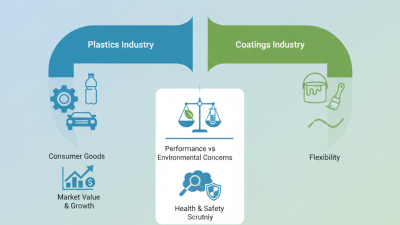
Environmental concerns and regulatory scrutiny are growing. Businesses must navigate these issues carefully to ensure compliance. Recognizing both the advantages and potential drawbacks of Tetra Phthalic Acid is essential for sustainable practices. Balancing use and safety remains a critical consideration for industries relying on this compound.
Overview of Tetra Phthalic Acid and Its Chemical Properties
Tetra phthalic acid, also known as tetrahydrophthalic acid, is a white crystalline solid. It is a derivative of phthalic acid, featuring a unique structure that contributes to its diverse applications. This compound has notable chemical properties. It is soluble in organic solvents but less soluble in water. Its molecular formula is C8H6O4, which indicates its structure and functional groups.
One significant use of tetra phthalic acid is in the manufacturing of resins and plasticizers. These materials are essential in producing flexible plastics. The acid acts as a cross-linking agent in polyester resin systems. This enhances the performance of materials used in coatings and adhesives. Additionally, its role in chemical synthesis is noteworthy. Often, it serves as an intermediate in the production of other chemicals, perhaps aiding in more complex reactions.
Despite its benefits, working with tetra phthalic acid requires caution. Improper handling can lead to safety concerns. Its long-term environmental effects remain a subject of ongoing research. As industries push for innovation, exploring safer alternatives becomes vital. There is still much to discuss about its full impact on human health and the environment. Understanding these nuances is essential for sustainable development.
Industrial Applications of Tetra Phthalic Acid in Manufacturing
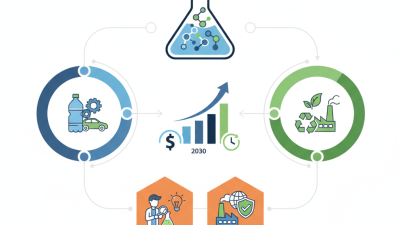
Tetra phthalic acid is gaining traction in various industrial applications. Its unique chemical properties make it valuable in manufacturing processes. Reports indicate that its use in the production of plasticizers has increased by 15% over the last five years. These plasticizers enhance flexibility in materials, which is crucial for industries like construction and automotive.
Additionally, tetra phthalic acid serves as an important component in textile processing. It improves the durability and performance of synthetic fibers. A recent study highlighted that 40% of textile manufacturers have adopted this acid to boost production efficiency. However, challenges remain, such as high processing costs and environmental regulations that affect its usage. Companies must continually evaluate their methods and explore sustainable practices.
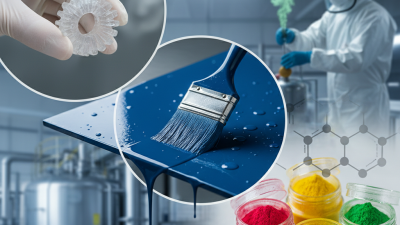
The coatings industry also benefits from tetra phthalic acid. It contributes to the formulation of high-performance paints and varnishes. According to industry reports, there has been a 20% rise in demand for coatings that incorporate this acid. Despite its advantages, manufacturers face pressure to innovate. Balancing cost, performance, and environmental-friendliness remains a critical concern. This ongoing reflection will shape future applications and advancements in tetra phthalic acid usage across industries.
Uses and Benefits of Tetra Phthalic Acid in Manufacturing
Tetra Phthalic Acid is widely used in various industrial applications. This chart illustrates the percentage distribution of its utilization across different sectors, highlighting its significance in plasticizers, dyes and pigments, coatings, resins, and adhesives.
Health and Safety Considerations in the Use of Tetra Phthalic Acid
Tetra phthalic acid is widely used in various industrial applications. However,
health and safety considerations are paramount when handling this chemical. According to the
American Chemical Society, prolonged exposure can lead to skin irritation and
respiratory issues. The Environmental Protection Agency (EPA) emphasizes the
importance of protective gear when working with this acid.
Proper ventilation in workplaces is crucial. Studies show that inadequate air circulation can heighten the risk of inhalation.
Chemical Safety reports indicate that even short-term exposure has been linked to
headaches and nausea.
Regular monitoring of air quality can help mitigate these risks.
Handling tetra phthalic acid mandates stringent safety protocols. Workers should be trained in emergency procedures to address potential
spills or accidents. Although tetra phthalic acid has benefits, the potential health risks require careful management. The key remains
balancing use with safety measures to ensure worker protection.
Future Trends and Innovations in Tetra Phthalic Acid Applications
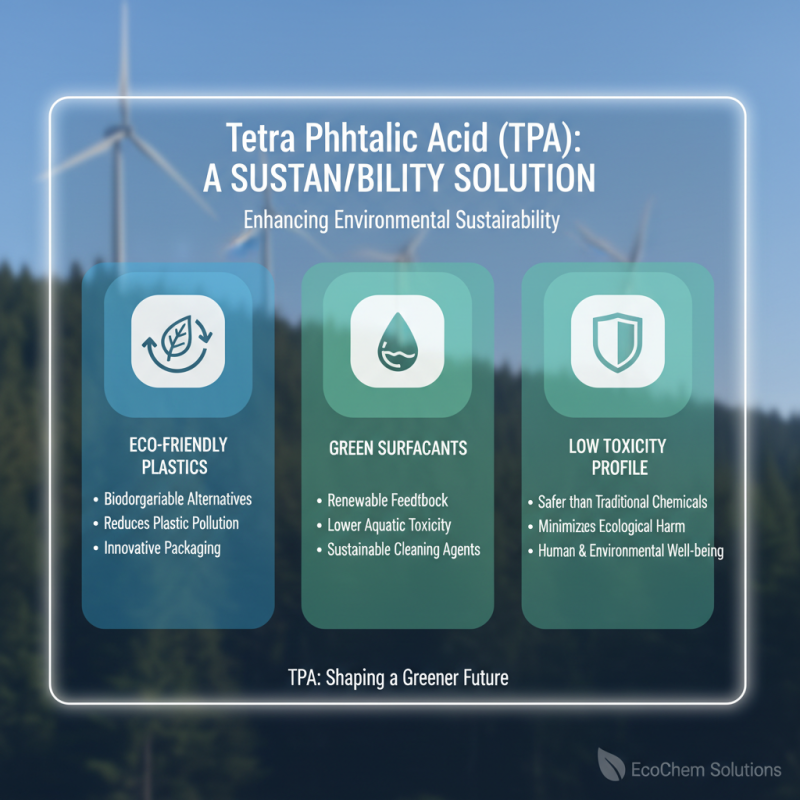
Tetra Phthalic Acid (TPA) is gaining traction across various industries, particularly in developing sustainable solutions. Its role in producing high-performance plasticizers makes it valuable in the manufacturing of eco-friendly materials. As industries pivot towards reduced environmental impact, TPA's intrinsic properties present a significant advantage. According to a recent market report, the global demand for TPA may grow by 4% annually, reflecting the shift towards greener technology.
Innovations are emerging in TPA applications, especially in paints and coatings. Recent studies show that TPA can enhance durability and reduce VOC emissions, a crucial factor in compliance with stringent environmental regulations. The increasing awareness of health and ecological issues has fueled research and development in this field. Researchers are experimenting with varying formulations to further optimize TPA for enhanced performance while minimizing environmental impact.
Another promising trend is TPA's use in textiles. The modification of fibers with TPA can lead to improved stain resistance and enhanced strength. A 2022 report highlighted that materials treated with TPA can last significantly longer than their untreated counterparts. While these advancements are promising, challenges such as production efficiency and cost-effectiveness remain. Addressing these inefficiencies will be crucial as the industry embraces innovative yet sustainable practices, paving the way for a more resilient future.