How to Use Phthalic Anhydride in Industrial Applications?
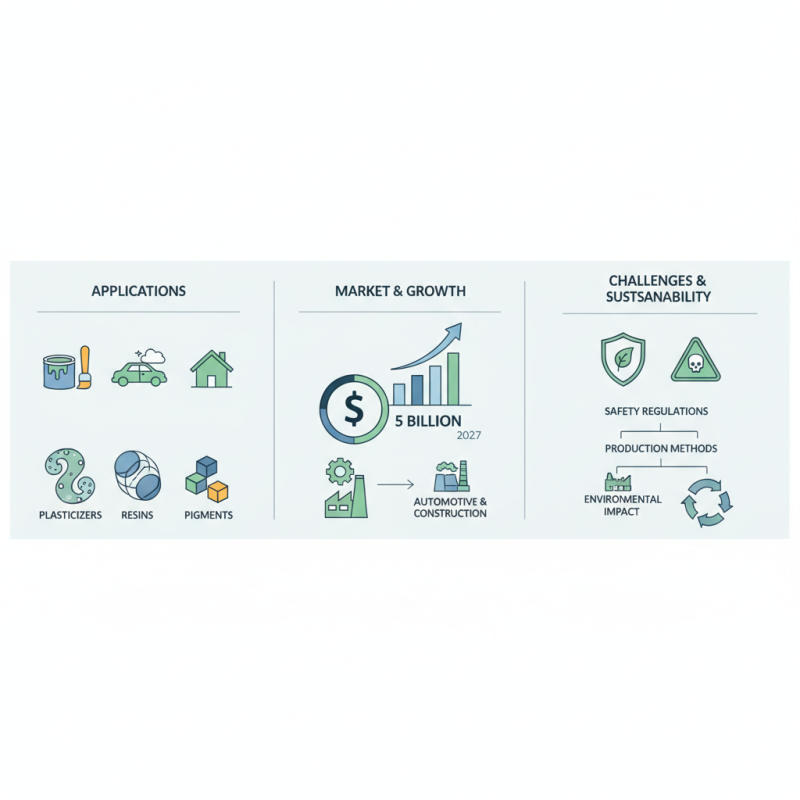
Phthalic Anhydride is a crucial chemical compound in various industrial applications. It serves as a key ingredient in the production of plasticizers, resins, and pigments. According to a recent market research report, the global phthalic anhydride market is projected to reach USD 5 billion by 2027, indicating a robust demand.
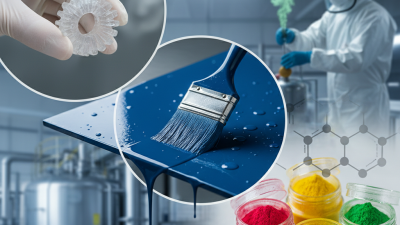
Industries leverage Phthalic Anhydride for its versatile properties. It plays a significant role in manufacturing alkyd resins used in paints and coatings. The versatility of these resins directly impacts the quality and durability of coatings, essential for the automotive and construction sectors. However, industries must also consider the environmental implications of using this compound.
While Phthalic Anhydride has considerable advantages, there are challenges in its utilization. The production process must adhere to safety regulations to minimize exposure risks. Manufacturers should continuously evaluate their methods. Addressing these challenges can enhance the sustainable use of Phthalic Anhydride while meeting industry standards and consumer expectations.
Overview of Phthalic Anhydride and Its Properties
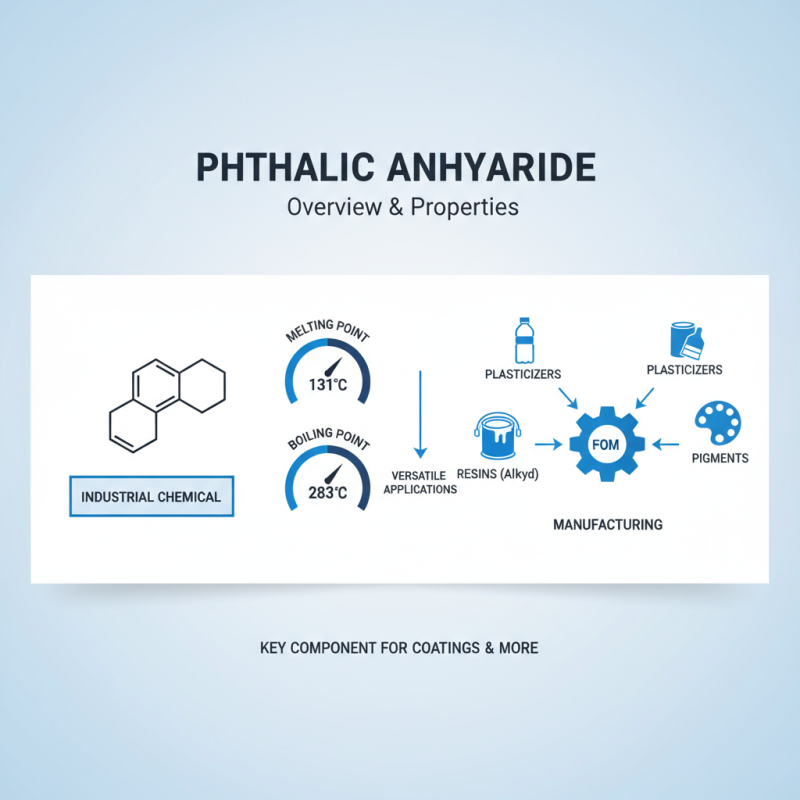
Phthalic anhydride is an important industrial chemical. It is primarily used in the production of plasticizers, resins, and pigments. This compound has a significant melting point of 131°C and a boiling point of 283°C. These properties make it a versatile ingredient in diverse applications. The anhydride form is crucial for manufacturing alkyd resins, which are widely used in paints and coatings.
Due to its reactive nature, phthalic anhydride can pose challenges during handling. Proper safety protocols must be followed. It requires storage in cool, dry places, away from moisture. Even minor exposure to air can lead to hydrolysis, which diminishes its effectiveness. Users must be wary of these risks when incorporating it into their processes.
Additionally, while phthalic anhydride is effective in improving material properties, there are environmental concerns to consider. Its production and use can lead to emissions that may impact air quality. Manufacturers need to reflect on sustainable practices. Innovations in recycling and waste management can help address these issues. Mindful usage can enhance effectiveness while minimizing environmental footprints.
Industrial Applications of Phthalic Anhydride
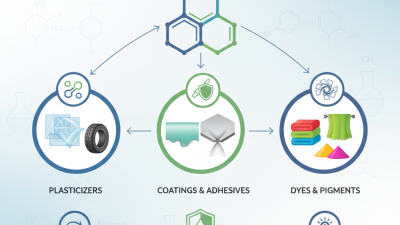
Phthalic anhydride is a versatile chemical compound with various industrial applications. It primarily serves as a key intermediate in the production of plasticizers, resins, and dyes. In plastics manufacturing, it enhances flexibility and durability. This makes it crucial for creating products such as PVC, which are widely used in construction and consumer goods.
In the field of agriculture, phthalic anhydride plays a role in formulating agricultural chemicals. It helps in improving the efficacy of pesticides and herbicides. Its ability to modify polymer structures is valuable for creating pesticides with better adherence to plant surfaces. However, handling phthalic anhydride requires caution due to its potential hazards.
Phthalic anhydride is also used in the automotive and coatings industries. It serves as a hardener in epoxy resins, providing chemical resistance and strength. Yet, the environmental impact of its usage raises concerns. Companies need to assess the sustainability of their operations. Continuous improvement and research are essential to balance benefits and risks in phthalic anhydride applications.
Industrial Applications of Phthalic Anhydride
Manufacturing Process of Phthalic Anhydride
Phthalic anhydride is crucial in many industrial processes. Its manufacturing process typically involves the oxidation of naphthalene or o-xylene. This reaction occurs at high temperatures, often using air as the oxidizing agent. The results yield phthalic anhydride, which is later purified through distillation.
The purification process is vital. Impurities can affect the quality of the final product. This step often requires precise control over temperature and pressure. Improper conditions can lead to suboptimal yields and inconsistent quality. Many manufacturers still face challenges in scaling up production while maintaining efficiency and purity.
Safety is paramount during production. Handling phthalic anhydride requires caution due to its reactive nature. Workers must be trained adequately in dealing with hazardous materials. This aspect often gets overlooked in some facilities, leading to potential safety issues. Continual training and adherence to safety protocols are needed to minimize these risks.
Safety and Environmental Considerations in Using Phthalic Anhydride
Phthalic anhydride (PA) is widely used in industries, but safety and environmental concerns are paramount. According to the World Health Organization, prolonged exposure to Phthalic Anhydride may lead to respiratory issues. Workers in industries utilizing PA should wear proper protective gear. Moreover, the National Institute for Occupational Safety and Health (NIOSH) suggests monitoring air quality to ensure safe levels.
Handling Phthalic Anhydride demands caution. Spills can lead to chemical burns and hazardous fumes. The Environmental Protection Agency (EPA) has identified it as a potential pollutant. Disposal requires adherence to strict guidelines to prevent soil and water contamination. Industries must implement safety protocols, including using closed systems to minimize exposure.
In addition to safety, companies must evaluate their environmental impact. Recycling Phthalic Anhydride reduces waste and conserves resources. A report by the American Chemical Society highlights that 30% of manufacturers have adopted greener practices. This not only minimizes environmental damage but also enhances corporate reputation. Continuous assessment of safety measures and environmental policies is essential for sustainable industry practices.
How to Use Phthalic Anhydride in Industrial Applications? - Safety and Environmental Considerations in Using Phthalic Anhydride
| Application |
Usage Description |
Safety Considerations |
Environmental Impact |
| Plasticizers |
Used to increase the flexibility of plastics. |
Ensure proper ventilation and use PPE. |
May leach into soil and water; use sparingly. |
| Resins |
Integral in manufacturing alkyd resins for coatings. |
Avoid skin contact; use gloves and goggles. |
Potentially hazardous to aquatic life. |
| Dyes |
Used in the production of various dyes. |
Handle with care; respiratory protection may be necessary. |
Toxic compounds may accumulate in the environment. |
| Pharmaceuticals |
Serves as an intermediary in drug manufacturing. |
Follow all safety data sheets; limit exposure. |
Regulatory compliance required for waste disposal. |
| Agricultural Chemicals |
Involved in the synthesis of certain pesticides. |
Use protective equipment and adhere to regulations. |
Risk of runoff affecting local ecosystems. |
Future Trends in Phthalic Anhydride Utilization in Industry
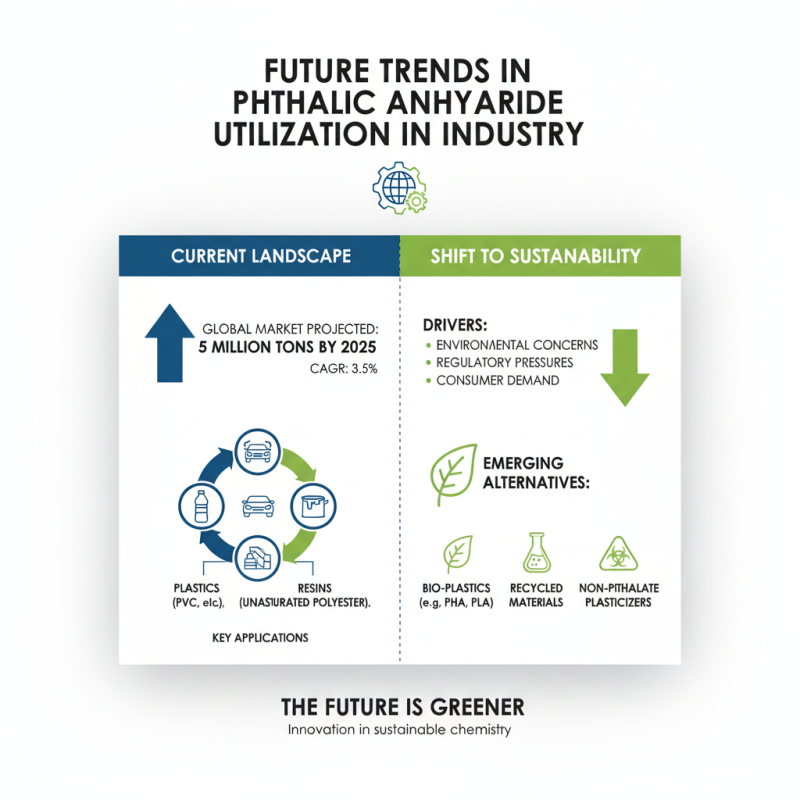
Phthalic anhydride (PA) holds a crucial place in various industrial applications, especially in the production of plastics and resins. Currently, the global market for phthalic anhydride is projected to reach 5 million tons by 2025, reflecting a steady CAGR of 3.5% according to market analysts. However, emerging trends indicate a shift towards sustainable alternatives. This pivot is driven by rising environmental concerns and regulatory pressures on phthalate compounds.
Future trends suggest a growing interest in biobased phthalic anhydride. Researchers are exploring the use of renewable resources for its synthesis. This could drastically reduce the carbon footprint associated with conventional production processes. Additionally, innovations in catalytic processes might enhance production efficiency, making the process more sustainable.
**Tips:** Explore alternative formulations that comply with new regulations. Consider collaborating with academic institutions for innovative research. Monitor industry reports for shifts in consumer preferences towards greener products.
Despite these advancements, challenges persist. The transition to more sustainable practices can be met with resistance due to established supply chains. Moreover, performance comparisons between traditional and new formulations may take time to validate. Companies need to conduct thorough evaluations to ensure compliance and efficacy without sacrificing quality.