
N Benzylhydroxylamine is a specialized organic compound used mainly as a reagent and synthetic building block. It combines a benzyl group with a hydroxylamine functional group, giving chemists useful options for controlled molecular transformations. In research laboratories, it may support the preparation of oxime-related compounds, hydroxamic acid derivatives, and other nitrogen–oxygen structures. Its exact role depends on the reaction design.
The compound is valued for its predictable reactivity. Chemists can use it when introducing or modifying nitrogen–oxygen functionality in a target molecule. This work appears in medicinal chemistry, materials research, and broader organic synthesis. However, its applications are not unlimited. Product quality, reaction conditions, and the selected starting materials can change the outcome significantly. A labeled reagent bottle, a current safety data sheet, and reliable analytical equipment are essential parts of responsible use.
The picture is not perfectly simple. Some online descriptions make N Benzylhydroxylamine sound like a universal solution, but that claim needs caution. It is not a substitute for choosing the correct reagent for each structure. Experienced researchers normally confirm identity, purity, storage requirements, and compatibility before beginning laboratory work. They also review peer-reviewed literature and supplier documentation instead of relying on informal summaries.
Used properly, this compound can help build more complex molecules with greater precision. Small differences matter. Analysts may examine reaction samples through established techniques, such as chromatography or spectroscopy, to verify progress and purity. These checks improve reliability, although they do not remove every experimental uncertainty. This guide explains what N Benzylhydroxylamine is used for, where its value is clearest, and why careful professional judgment remains necessary.
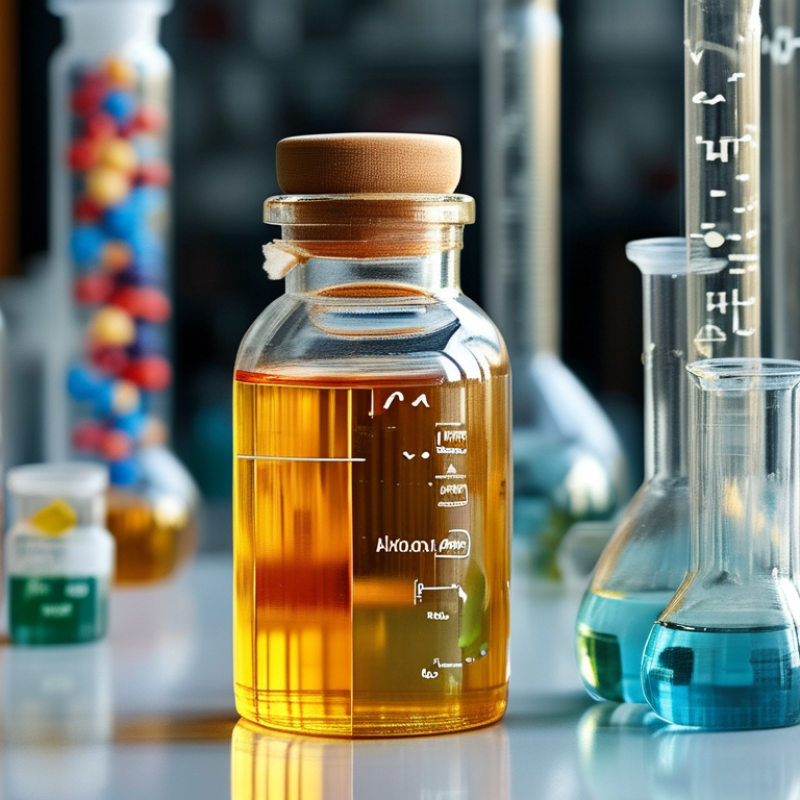
N-Benzylhydroxylamine is an organic hydroxylamine derivative with the formula C7H9NO. Its structure contains a benzyl group attached to nitrogen, along with an N–O bond. This combination gives the molecule useful reactivity in synthetic chemistry. It is commonly handled as a white or pale crystalline solid, although color may change with purity and storage conditions. Appearance alone is not enough for identification.
The compound is mainly used as a laboratory intermediate for preparing nitrogen- and oxygen-containing molecules. Its nitrogen and oxygen atoms can participate in reactions with carbonyl compounds, supporting the preparation of oxime-related structures and other functionalized products. Chemists also study it when developing selective transformations, because its N–O bond can influence reaction pathways.
The material should be stored in a tightly closed container, away from heat, moisture, and incompatible reagents. Laboratory records should include purity data and analytical results, such as NMR or infrared spectra. Small handling differences can affect results. That point is easy to underestimate. Its exact behavior also depends on solvent, temperature, concentration, and the reaction partners chosen. Safety data should be reviewed before use, since general chemical knowledge cannot replace product-specific testing.

N-Benzylhydroxylamine is used as a versatile intermediate in organic synthesis. PubChem lists its formula as C7H9NO and molecular weight as 123.15 g/mol. Its preparation commonly involves reducing benzaldoxime, followed by controlled separation and purification. The selected route affects color, residual solvents, and trace impurities. These details matter in research and manufacturing.
A practical preparation begins with verified raw materials, calibrated equipment, and gradual reaction monitoring. Analysts should confirm identity using spectroscopy, chromatography, or both. The compound should be handled in a functioning fume hood. Wear chemical-resistant gloves, splash goggles, and a closed laboratory coat. Keep the material in a tightly sealed container, away from heat and incompatible oxidizing substances. The United Nations Globally Harmonized System, 10th revised edition, stresses hazard classification, clear labels, and accessible safety data. PubChem also recommends reviewing current chemical and toxicological records before use.
Tips: Use small test portions first. Record batch color and odor. Do not rely on appearance alone. Check the safety data sheet before every transfer, even for familiar work. A weakness in many procedures is incomplete impurity testing. That shortcut can distort later reactions. Waste should be segregated, labeled, and managed under local chemical-safety requirements. Personnel should document spills, exposure concerns, and unusual pressure or temperature changes. Small omissions can become expensive problems.
N-Benzylhydroxylamine is a versatile reagent in organic synthesis. Its aminooxy group reacts readily with aldehydes and ketones. This reaction forms oxime derivatives under carefully controlled conditions. Chemists use these products to identify, protect, or transform carbonyl compounds. The benzyl group can later be removed through suitable hydrogenolysis methods. That feature makes the reagent useful in multistep synthesis.
In research laboratories, N-benzylhydroxylamine helps build oxygen- and nitrogen-containing intermediates. It can support the preparation of hydroxamic acid-related compounds and selected heterocyclic structures. Researchers also use aminooxy chemistry to modify complex molecules. A small sample may change visibly as a carbonyl reaction proceeds. However, color alone does not prove completion. Analytical testing remains necessary.
The chemistry is useful, but not always tidy. Reaction rates depend on solvent, pH, temperature, and substrate structure. Sterically crowded ketones may react slowly. Moisture can also affect reproducibility. Practical work should include suitable ventilation, protective equipment, and an approved waste procedure. These details matter more than a promising reaction scheme. Inexperienced handling may produce incomplete conversion or difficult purification. Careful records often reveal that the reagent performed well, while the chosen conditions did not.
N-benzylhydroxylamine is a specialized organic intermediate used in pharmaceutical and materials chemistry. Its hydroxylamine group reacts with aldehydes and ketones, forming O-benzyl oximes and related intermediates. Chemists value this reaction for protecting carbonyl groups, adjusting reaction selectivity, and preparing nitrogen-oxygen functional molecules. Small changes in solvent, temperature, or purification can significantly affect the final product.
Pharmaceutical researchers may use it during multi-step synthesis, especially when a temporary protecting group improves process control. The Global Trends in R&D 2024 report estimates global biopharmaceutical research spending reached about 129 billion dollars in 2023. That investment increases demand for reliable intermediates, although N-benzylhydroxylamine represents only a narrow segment of this market. Its role is practical, not universal.
Materials chemists examine the compound as a building block for functional molecules, surface modifiers, and polymer-related intermediates. The OECD’s Global Material Resources Outlook to 2060 projects material use could rise from about 90 to 167 billion tonnes by 2060. This pressure encourages lower-waste synthesis and more selective reactions. N-benzylhydroxylamine can support that goal when it reduces unnecessary transformation steps. The evidence is uneven. Public reports rarely separate its demand from broader specialty chemicals. Careful handling, impurity testing, and route-specific safety assessment remain essential.
| Application Area | Primary Role | Representative Chemical Transformation | Typical Downstream Products | Why It Is Useful | Use Profile |
|---|---|---|---|---|---|
| Pharmaceutical chemistry | Protected hydroxylamine building block | Reaction with activated carboxylic acids, acid chlorides, or related acylating agents | N-Benzyl hydroxamates and protected hydroxamic-acid intermediates | The benzyl substituent can provide temporary protection during multistep synthesis | Common synthetic application |
| Hydroxamic-acid synthesis | Precursor to hydroxamic-acid frameworks | Acylation followed by removal of the N-benzyl group under suitable debenzylation conditions | Hydroxamic acids used in medicinal-chemistry research and coordination studies | Provides a practical route to the N-hydroxyamide functional group | Important intermediate role; not generally used as an active pharmaceutical ingredient |
| Medicinal-chemistry library synthesis | Core reagent for preparing analogues | Combination with structurally varied acyl groups or carbonyl-containing substrates | Substituted hydroxamates and hydroxamic-acid analogue series | Supports systematic variation of the acyl portion while retaining a protected N-hydroxy unit | Useful in exploratory and structure–activity relationship work |
| Nitrone synthesis | Precursor to N-benzyl nitrones | Condensation of the N-hydroxylamine group with an aldehyde or ketone | N-Benzyl nitrones and substituted nitrone derivatives | Nitrones are useful 1,3-dipoles and can participate in further bond-forming reactions | Established application in synthetic organic chemistry |
| Heterocyclic compound synthesis | Intermediate for 1,3-dipolar cycloaddition chemistry | Cycloaddition of derived nitrones with alkenes or alkynes | Isoxazolidines and other oxygen–nitrogen-containing heterocycles | Enables rapid construction of densely functionalized heterocyclic scaffolds | Relevant to pharmaceutical and advanced organic synthesis |
| Radical and materials chemistry | Precursor to nitrone-based radical-trapping compounds | Conversion to a nitrone followed by reaction with carbon-centered radicals | Stable nitroxide-type radical-adduct products for analytical or mechanistic studies | Nitrone derivatives can capture radicals and form identifiable spin-adduct structures | Primarily a research-scale materials and mechanistic application |
| Protecting-group chemistry | Temporary protection of the hydroxylamine nitrogen | Installation of the benzyl group before other functional-group transformations | Protected hydroxylamine derivatives and selectively deprotected products | Allows chemists to control reactivity and sequence multiple synthetic operations | Value depends on compatibility with the overall reaction sequence |
| Chemical research and method development | Model substrate and synthetic reagent | Evaluation in acylation, condensation, cycloaddition, and deprotection reactions | Reaction-method intermediates, reference compounds, and proof-of-concept molecules | Combines a reactive N–O functional group with a removable benzyl substituent | Usually handled as a laboratory intermediate rather than a final material |
N-Benzylhydroxylamine is mainly used as a research reagent and intermediate in organic synthesis. PubChem reports a molecular weight of 123.15 g/mol, supporting accurate weighing and reaction calculations. Its hydroxylamine group can participate in selective transformations, including oxime-related chemistry and functional-group protection. Actual applications depend on purity, concentration, and whether the material is supplied as a free base or a salt.
Safety controls should follow the current safety data sheet, especially Sections 2, 7, and 8. Handle it in a functioning fume hood, prevent skin and eye contact, and avoid creating dust or aerosols. Store the container tightly closed in a cool, dry, well-ventilated cabinet. Keep it segregated from incompatible reagents identified by the supplier. A common mistake is treating “not classified” as “harmless.” That shortcut deserves criticism. Limited toxicology data does not equal zero risk.
Tips: Record the lot number, receipt date, storage temperature, and opening date. Inspect the container for discoloration, pressure, or leakage before use. For regulatory review, check the latest SDS, local chemical inventory, and applicable requirements under frameworks such as OSHA HazCom, EU REACH, or national equivalents. PubChem and the OECD eChemPortal can support identity and hazard-data checks, but they should not replace a site-specific assessment. Classification may change with concentration, impurities, and product form. Always verify the exact material.